Every year, once the rains start to ease off, Kerala turns into a state full of colour, food, and celebration. This is Kerala during Onam, a festival that brings the whole state together for over a week. If you’ve ever wondered why Onam in Kerala feels so different from any other celebration, here’s everything that makes it special, one part at a time.
The History and the Myth
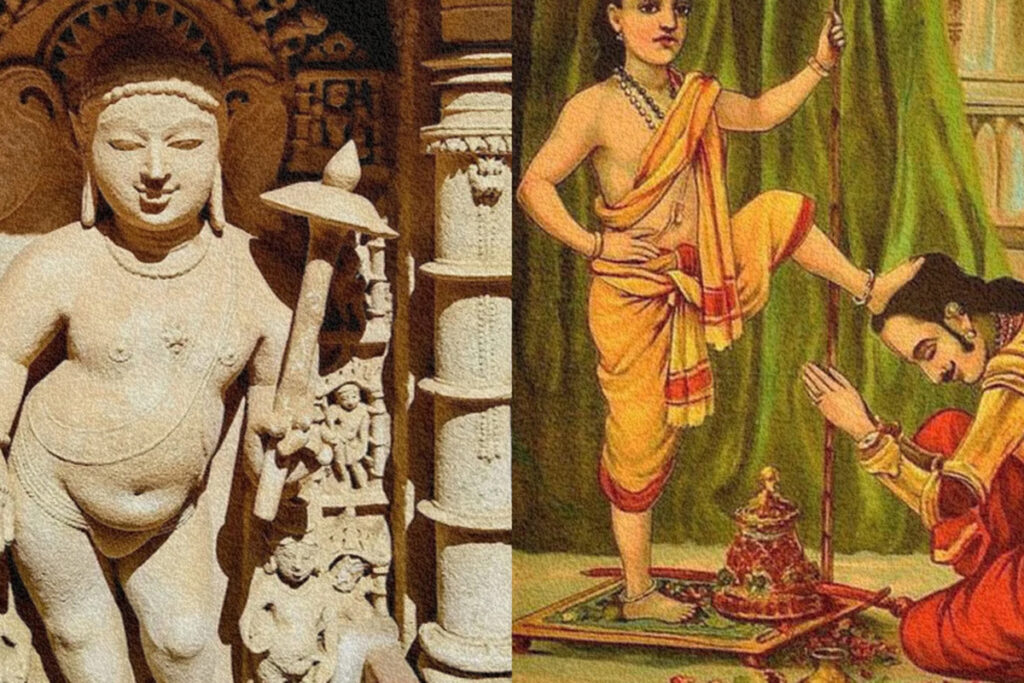
The Kerala Onam season begins with a story that every Malayali grows up hearing. King Mahabali was a kind and generous ruler, so loved by his people that the gods grew uneasy and sent him to the netherworld. Before he left, he was granted one wish: to visit his people once a year. Onam marks that homecoming, and it’s why the festival feels less like a ritual and more like welcoming someone back into the family.
Athachamayam, Where It All Begins
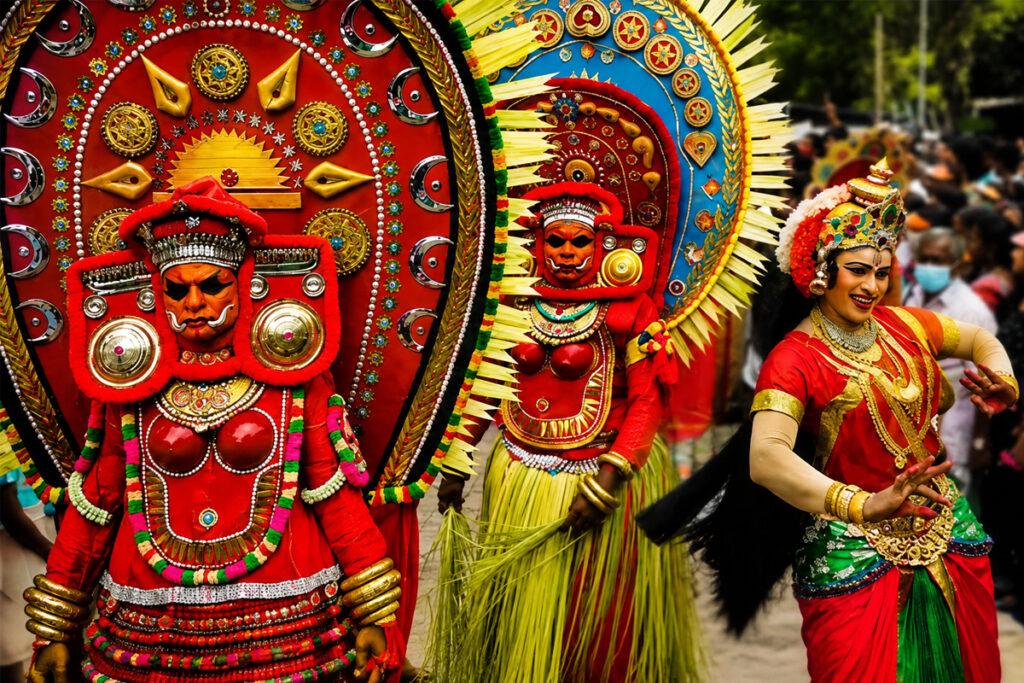
The first real sign that Onam has arrived is Athachamayam, a colourful procession held in Thripunithura, near Kochi. Elephants, drummers, folk dancers, and floats move through the streets, recreating the grand welcome once given to King Mahabali. It marks the official start of the Kerala Onam celebration, and it’s from this day that the Onam festival in Kerala truly begins, unfolding across every district over the next ten days.
Pookalam, the Flower Carpet at Every Doorstep
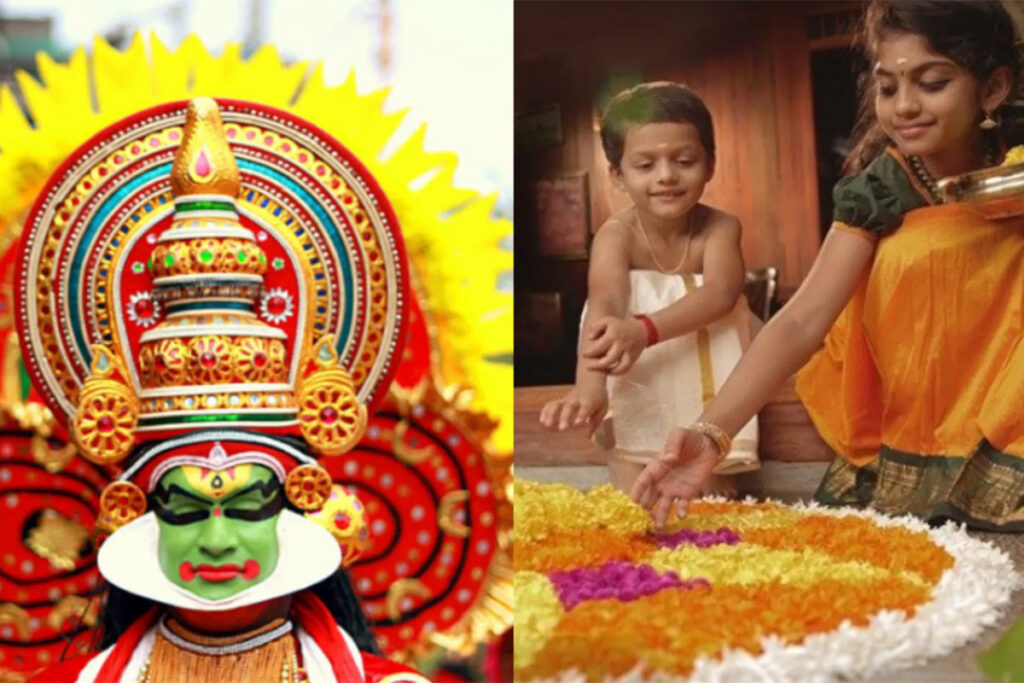
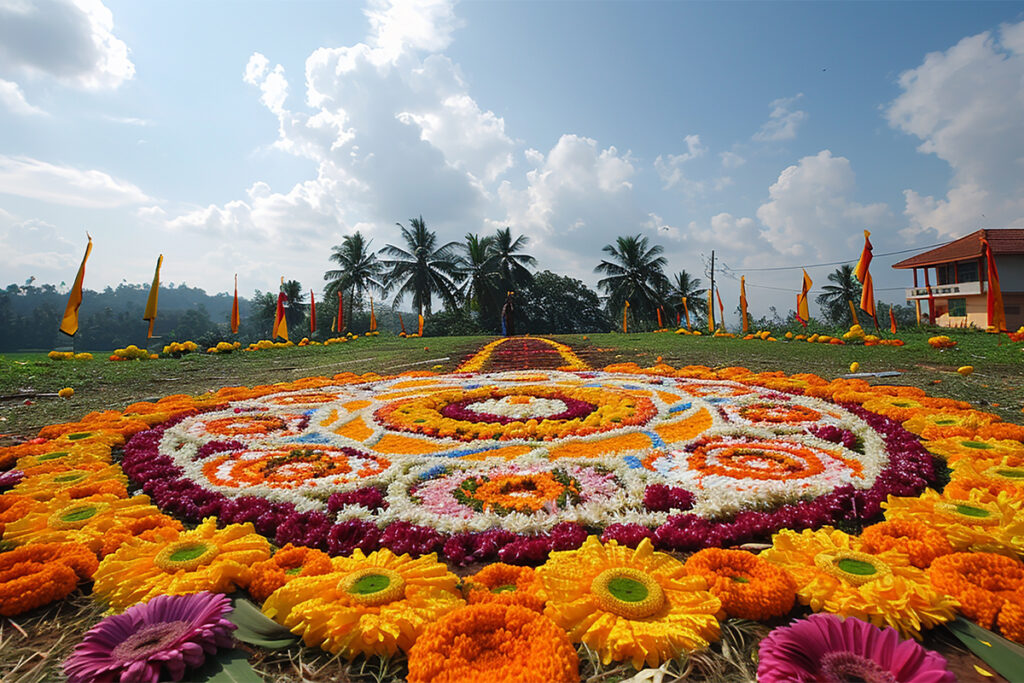
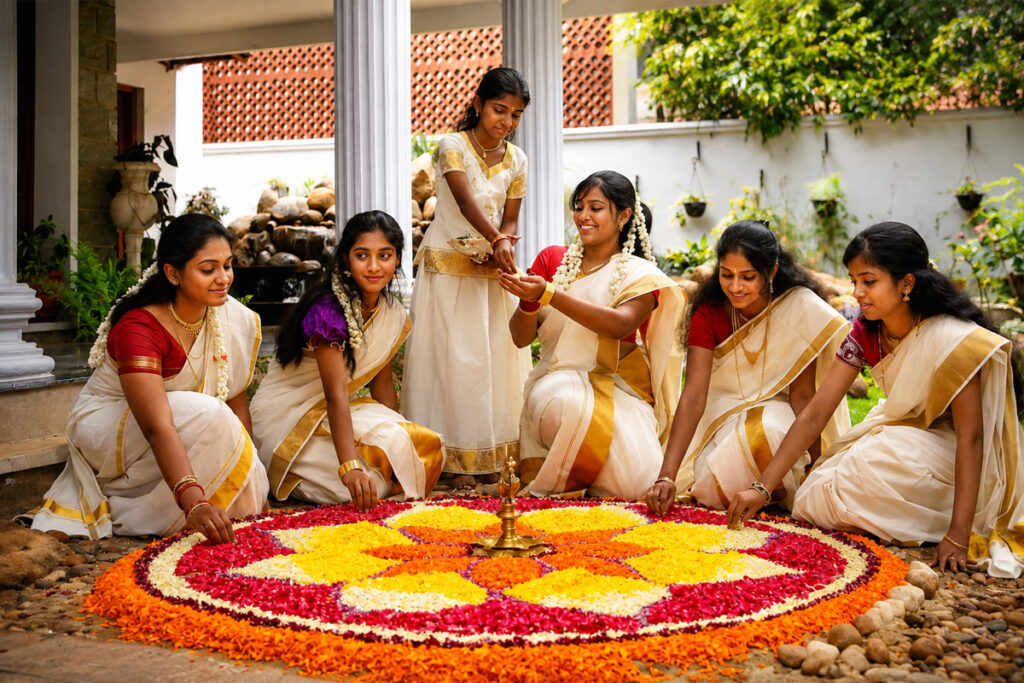
Soon after Athachamayam, homes across Kerala begin laying out pookalam in Kerala, flower carpets set at the entrance as a welcome for King Mahabali. Each day, the design grows bigger and more intricate, often taking the whole family hours to finish. Watching one being built, petal by petal, is one of the quiet things to do in Kerala during Onam that visitors rarely forget.
Folk Arts That Bring the Traditions Alive
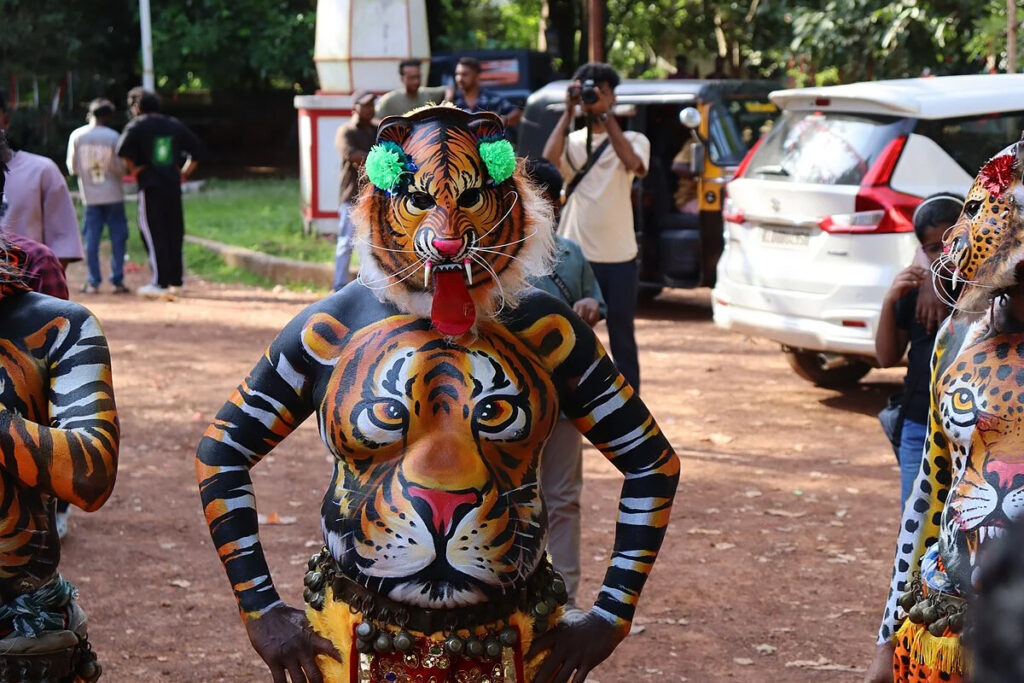
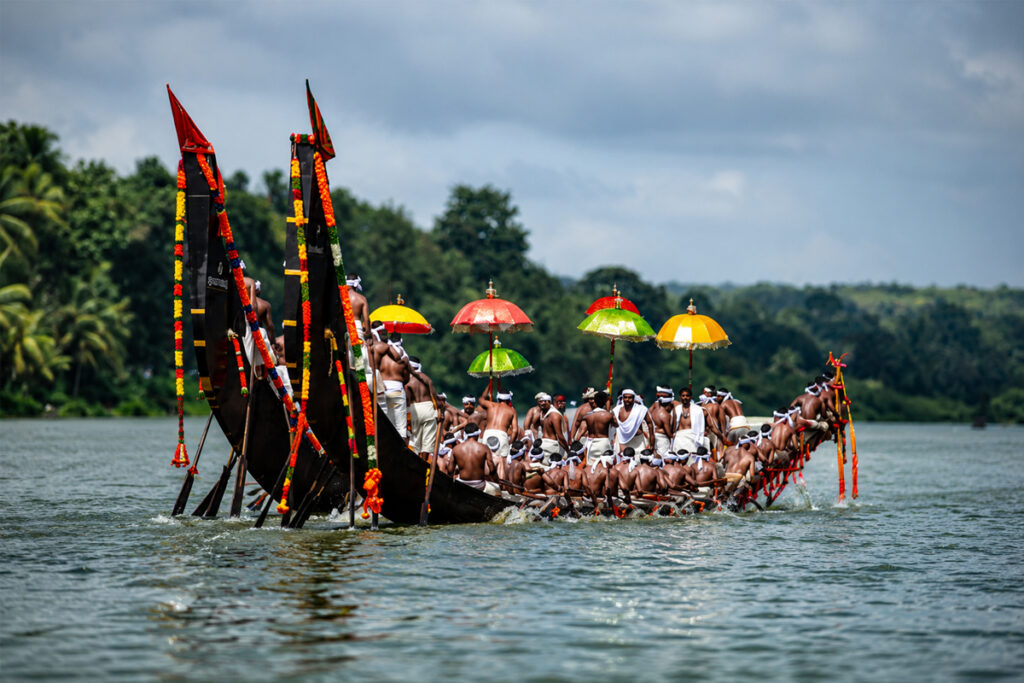
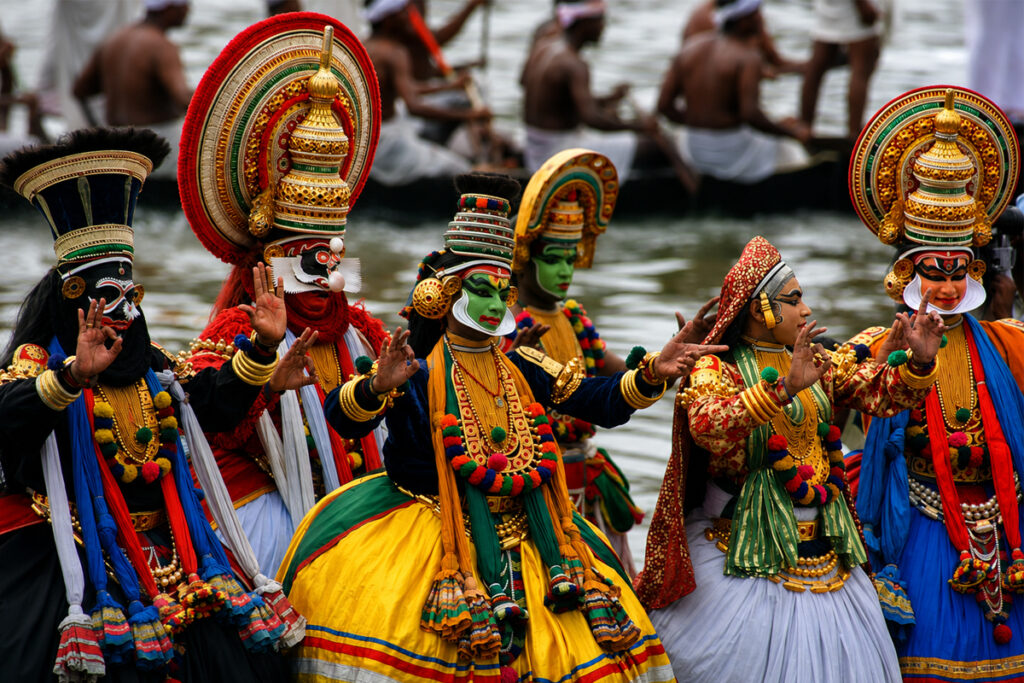
Onam isn’t only celebrated indoors. Villages and towns come alive with folk performances that have been passed down for generations. Thiruvathira witnesses women moving in perfect rhythm as they dance in a circle around a lamp. Onam Kali is a lively group dance with simulated combat moves that is typically performed by men. Pulikali turns performers into tiger-painted dancers who prowl through the streets to drumbeats, delighting crowds of all ages. And Vallam Kali, the snake boat race, brings thousands to the banks of rivers in Alappuzha and Aranmula to watch long, decorated boats race to the finish. Together, these art forms are what make Kerala during Onam season feel like one continuous celebration, moving from home to street to river.
The Days When Families Come Home
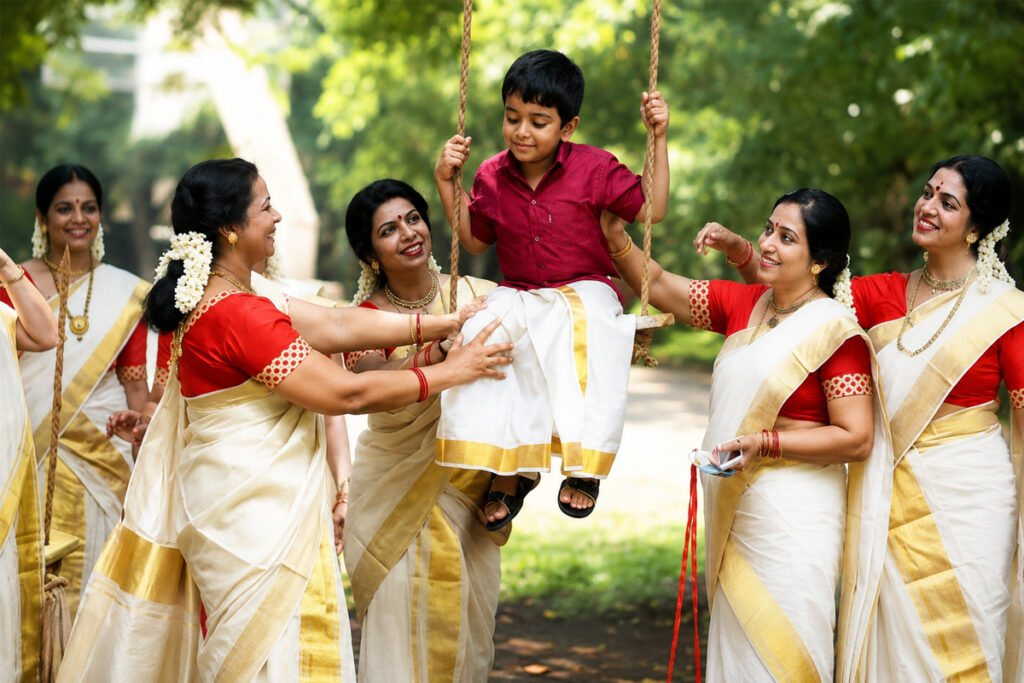
At the heart of Onam are its main days, Uthradom, Thiruvonam, and the day that follows, when families travel back to their ancestral homes no matter where they’re working or living. It’s this pull that makes Onam as much about people as it is about rituals. Grandparents, cousins, and extended family sit together under one roof, often for the only time in the year, and that reunion is what gives traditional Onam celebration its lasting meaning.
Onam Sadya, a Feast Meant to Be Shared
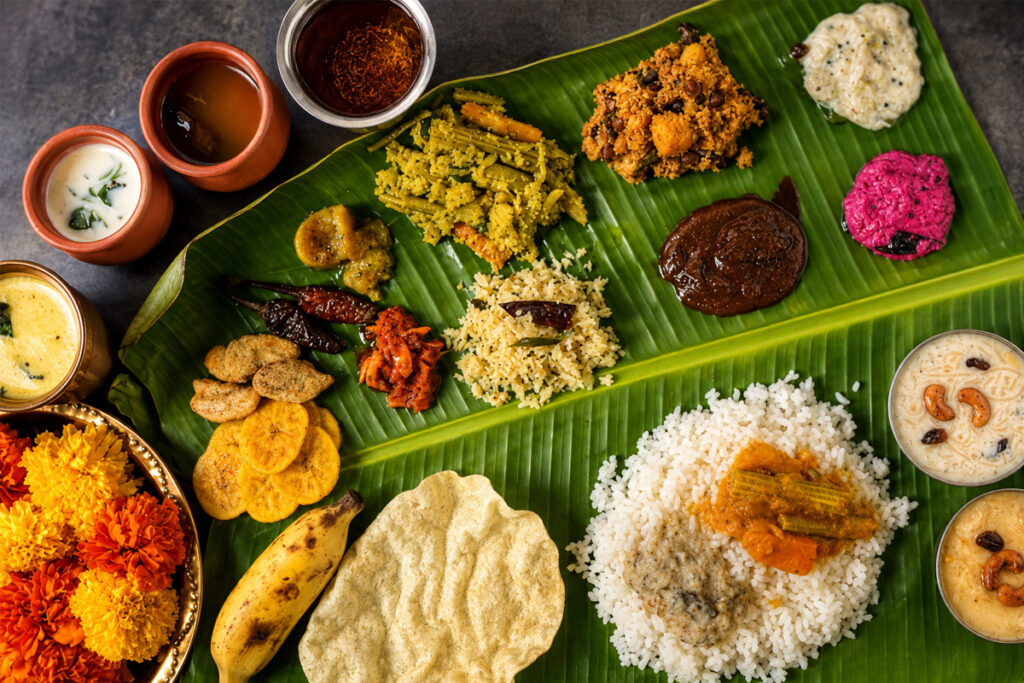
No account of Onam is complete without its food. The onam sadya in Kerala is a large vegetarian meal served on a banana leaf, with numerous dishes placed in a fixed order, usually the centrepiece of Thiruvonam. Everyone sits together on the floor, eats with their hands, and finishes the meal with a sweet payasam. It’s food made to be shared, not just eaten, and it sums up the spirit of the whole festival in a single sitting.
The Best Time to Plan Your Onam Trip
If you’re planning an Onam vacation in Kerala, timing matters as much as the destination. Alleppey and Kumarakom feel especially festive with the boat races on, Munnar offers cool weather once the celebrations wind down, and Kovalam pairs its beaches with cultural performances. Whether you want to stay with a local family, participate in a sadya, or watch a boat race in person rather than just in pictures, selecting the appropriate Kerala tour packages can help you truly experience Onam. If you’re travelling on a tighter budget, several budget tour packages still cover the essentials, a homestay, the sadya, and a good spot to watch the boat races, without the extra frills.
Beyond Sightseeing, Into the Culture
Kerala travel during Onam also opens up experiences that are harder to catch at other times of the year, like small exhibitions on the festival’s history, local markets selling festival wear, and temples lit up for evening prayers. In order to give you a true Kerala festival experience rather than just a list of attractions, good Kerala holiday packages designed around this time typically incorporate these extra experiences.
Why Onam Is the Season That Sums Up Kerala
Onam is one of the best times to experience Kerala at its most vibrant and authentic. Streets come alive with colourful pookalams, traditional sadya, boat races, cultural celebrations, and joyful homecomings. What makes the season special is its community spirit- it isn’t simply a show for visitors, but a celebration shared across Kerala.
Planning your Kerala holiday around Onam gives you the chance to experience these traditions more closely. From relaxing by the backwaters during the boat-race season to staying at a local homestay and enjoying a traditional feast, the right itinerary can turn your Kerala trip into a genuine cultural experience.
FAQ
What is the story behind Onam?
Onam is associated with the legendary King Mahabali, remembered for his kindness and popularity among his people. According to tradition, Mahabali is believed to return to Kerala during Onam to meet his people, making the festival a celebration of welcome, happiness, and togetherness.
What are the main attractions of Onam celebrations in Kerala?
Visitors can experience colourful pookalams, traditional dances, Pulikali, Thiruvathira, Onam Kali, Vallam Kali (snake boat races), cultural programmes, and the famous Onam Sadya. The celebrations vary across different parts of Kerala.
When is the best time to visit Kerala for Onam?
The best time depends on the experiences you want to enjoy. The period around Athachamayam and Thiruvonam is ideal for experiencing the main celebrations, while destinations such as Alappuzha and Kumarakom are particularly attractive during the boat-race season.
Is Onam a religious festival?
Onam is widely celebrated as a cultural and public festival across Kerala. People from different communities participate in its traditions, including pookalam, Sadya, cultural events, and family gatherings, making it one of Kerala’s most inclusive celebrations.
What can travellers do during an Onam trip to Kerala?
Travellers can watch traditional performances and boat races, explore local celebrations, enjoy an authentic Sadya, stay at a homestay, and experience Kerala’s festive atmosphere beyond conventional sightseeing. Planning the itinerary around major Onam events can make the trip more immersive.