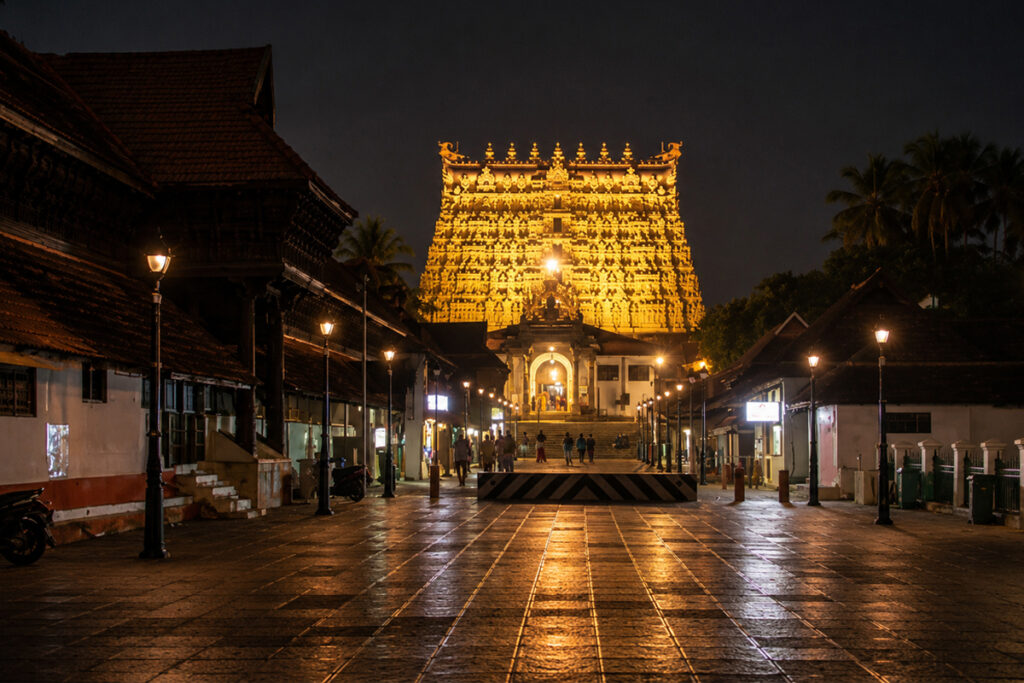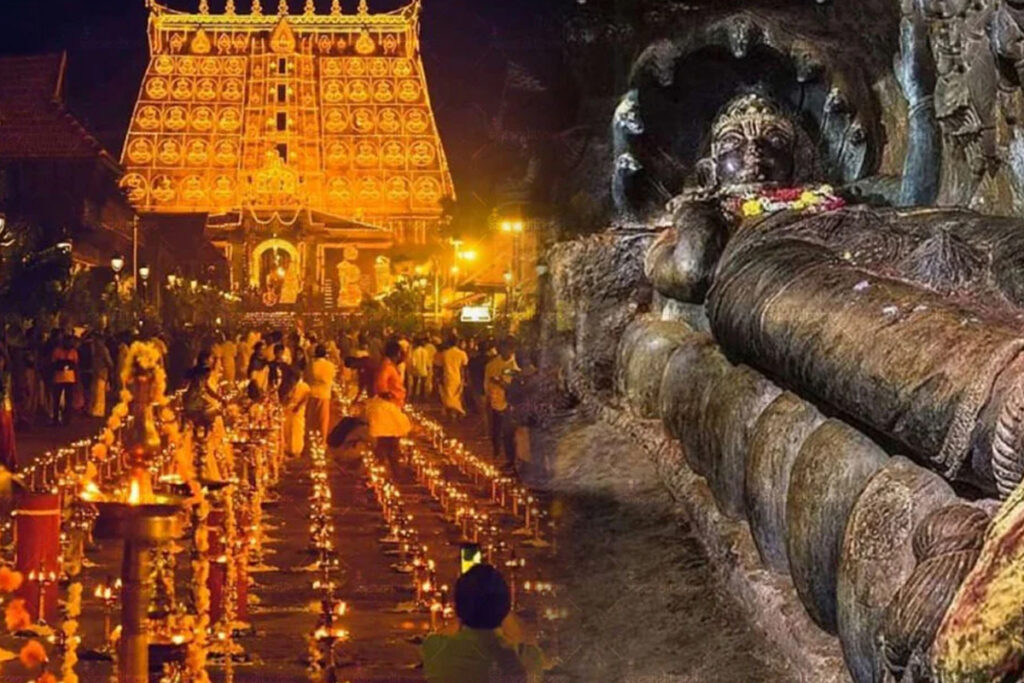
If you’re scouting Domestic Destinations worth adding to your travel list, a visit to Sree Padmanabhaswamy Temple deserves a top spot on that list. Set within the old East Fort quarter of Thiruvananthapuram, this temple is far more than a place of prayer — it’s a cornerstone of heritage that has quietly defined the character of Kerala’s capital for generations. In fact, the name Thiruvananthapuram itself comes from the deity worshipped here, and it’s one of the highlights featured in many Kerala Tour Packages offered by Travel Hope.
Whether you’re a devotee seeking blessings or a curious traveler drawn to Kerala’s architecture and heritage, Padmanabhaswamy Temple Trivandrum offers an experience unlike any other. This guide walks you through everything you need to know before you go — from dress codes to timings to how to actually get there — and how Travel Hope’s Kerala Holiday Packages and Budget Tour Packages can make the trip effortless.
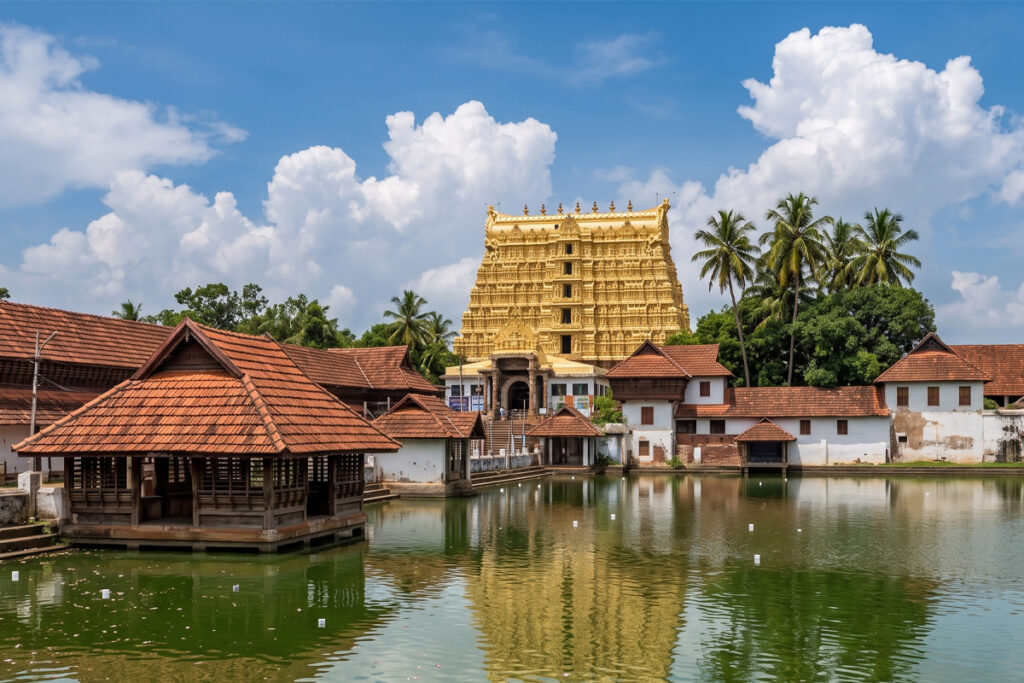
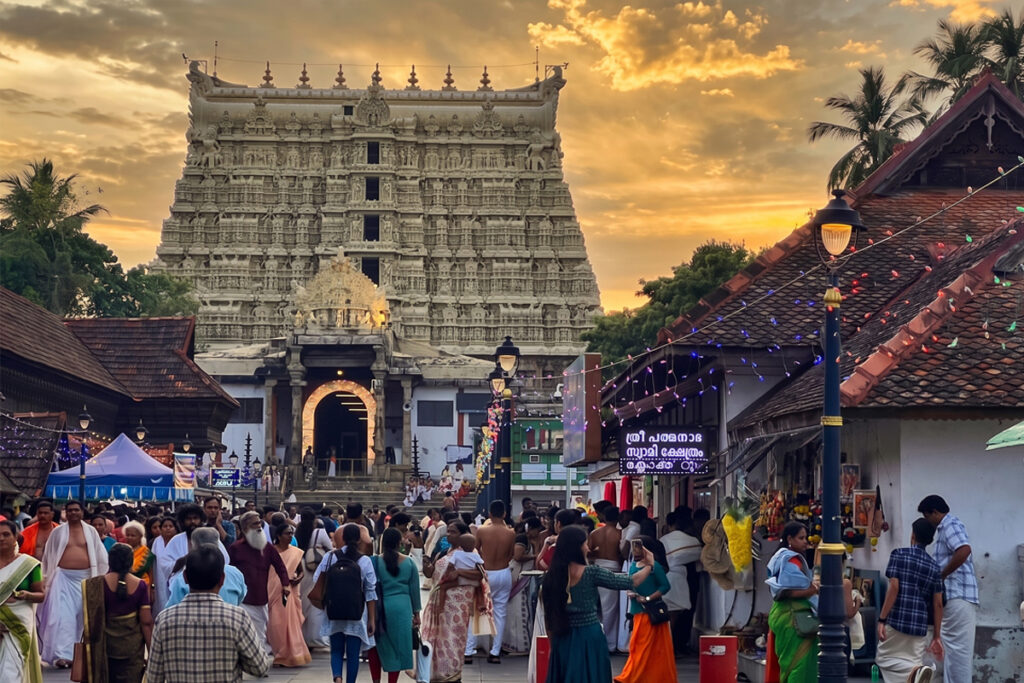
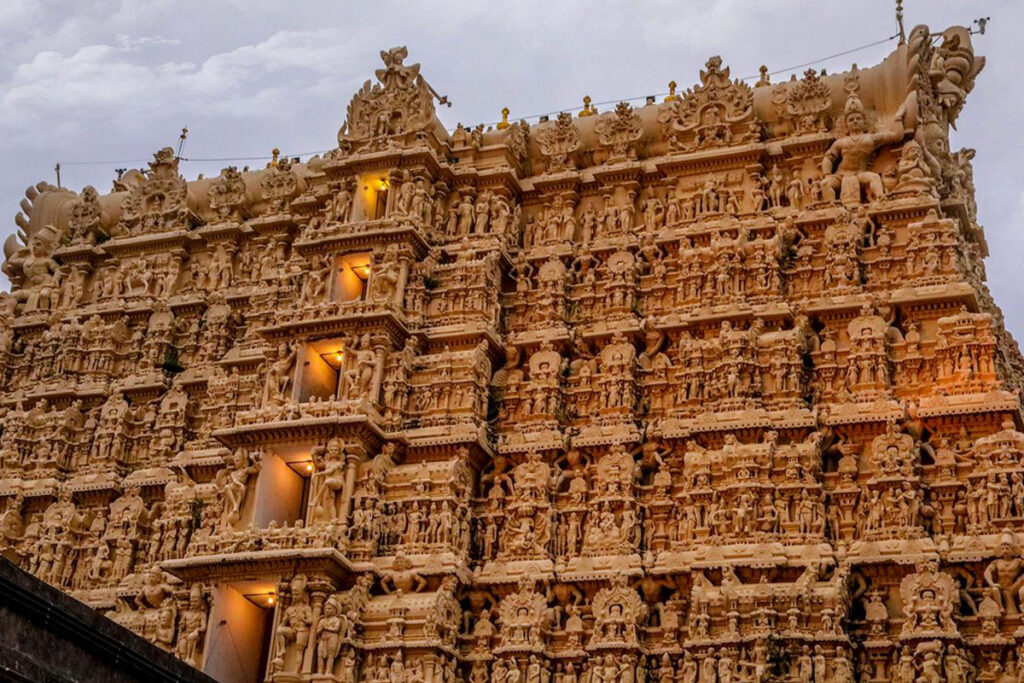
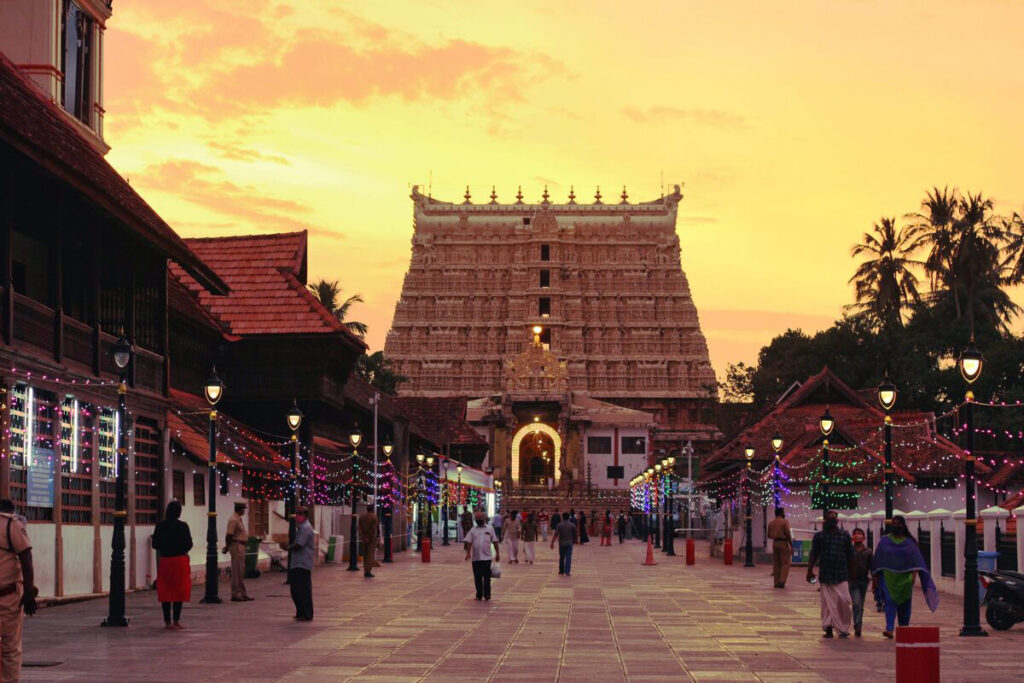
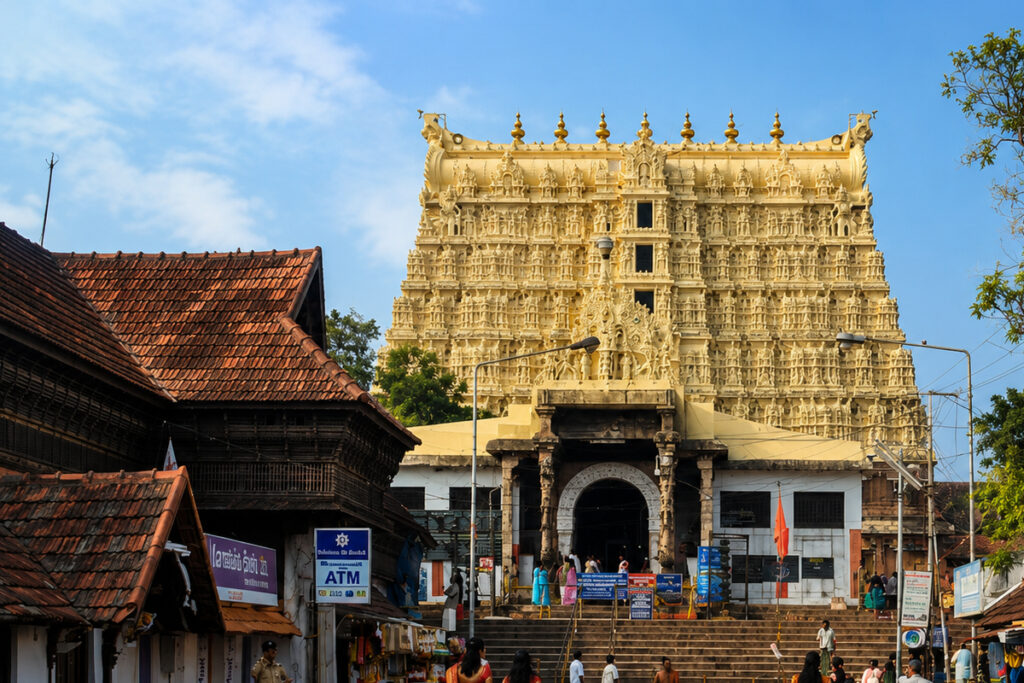
The origins of this temple stretch back centuries, with references appearing in ancient Tamil Sangam literature dating as far as 500 BC. The structure you see today, with its striking seven-tier gopuram rising nearly 100 feet into the sky, has its foundations dated to 1566. Its design brings together classic Kerala craftsmanship and Dravidian influences, resulting in an architectural character that’s hard to find anywhere else in the region.
Inside, the presiding deity, Lord Vishnu, is enshrined in the Anantha Shayana posture — reclining eternally on the coiled serpent Anantha. The idol is so large that it can only be viewed in full through three separate doorways within the sanctum, each offering a different glimpse of the deity.
This temple stands out as something well beyond a typical heritage site visit. Padmanabhaswamy Temple in Kerala holds the distinction of being one of the 108 sacred Vishnu shrines, known as Divya Desams, revered across Vaishnavite tradition. The temple has also gained worldwide recognition because of the hidden underground chambers beneath it, said to house riches gathered across many generations.
Beyond the history and mystery, though, what strikes most visitors is the sheer devotion in the air. Pilgrims travel from across the country, and even the world, to witness the deity and take in the temple’s quiet, powerful atmosphere.
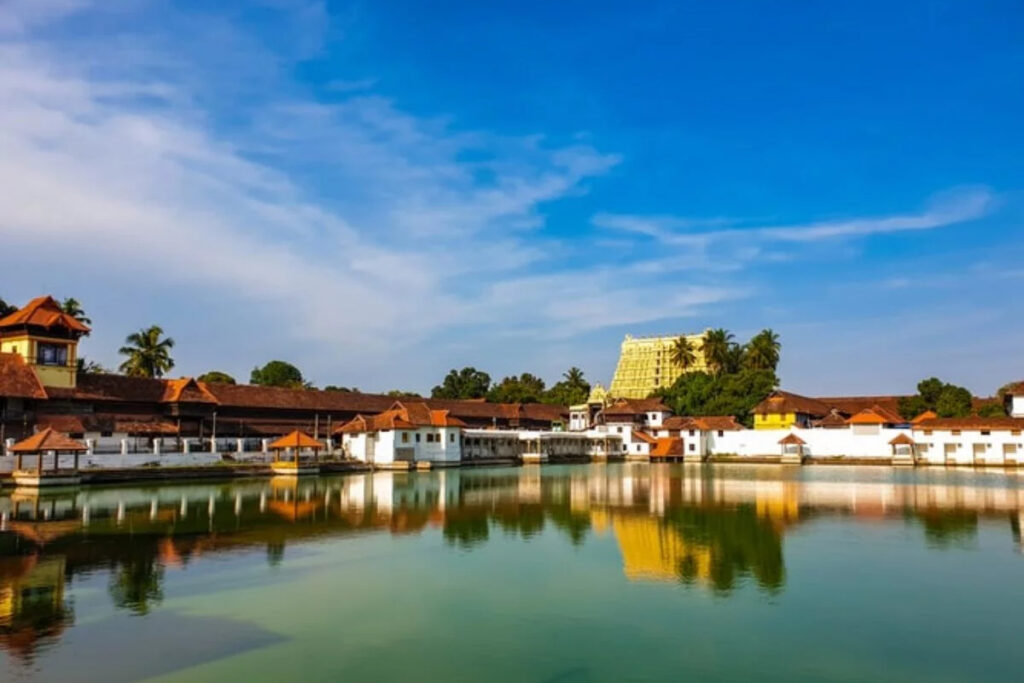
Right beside the temple lies Padma Theertham, a serene temple tank considered sacred by devotees. Many visitors take a moment here before heading in for darshan, and it’s also a lovely spot to simply sit and absorb the surroundings.
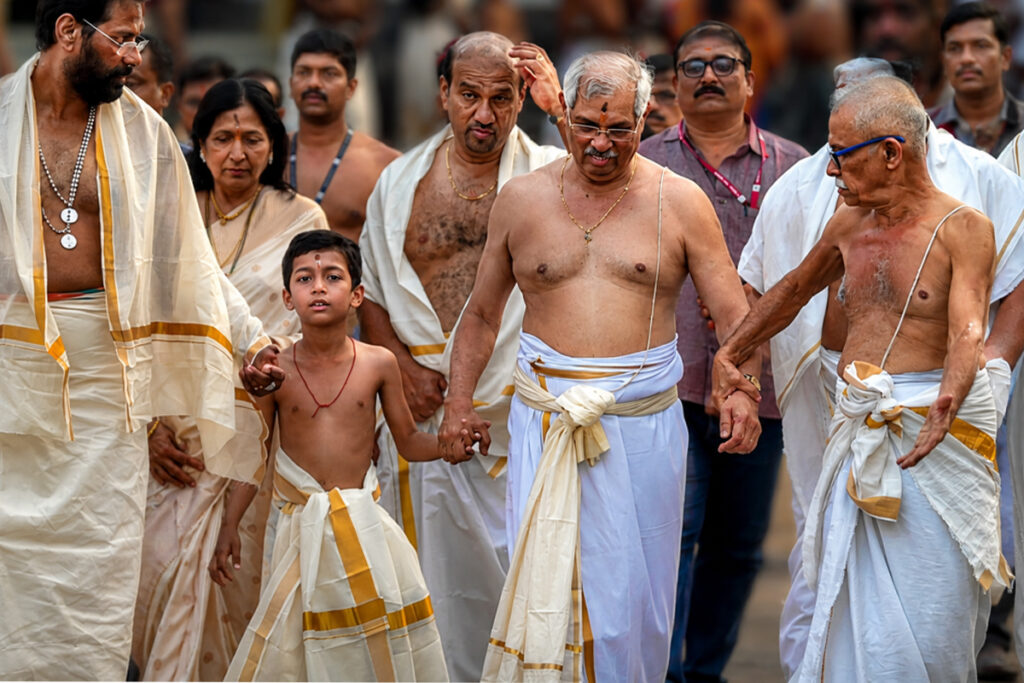
This is the one rule every visitor should know in advance. Entry is restricted to Hindu devotees only, and there’s a strict dress code for everyone entering. Men are required to wear a plain white or off-white dhoti, without a shirt. Women are expected to wear traditional attire such as a saree or the dhoti-and-blouse combination known as mundum neriyathum. Modern or Western clothing isn’t permitted inside the complex, so it helps to plan your outfit the night before.
The temple generally opens quite early, with darshan beginning around 3:15 am and continuing in slots until closing around 7:20 pm, with a midday break. Timings can shift slightly during major festivals and special poojas, so it’s worth checking the temple’s official updates closer to your visit date.
Photography isn’t allowed anywhere within the temple premises, so be ready to store phones and cameras before entering. Bags are generally permitted, though phones, cameras, and other electronics must be deposited at a locker counter near the entrance before you go in.
Getting here is refreshingly simple. Trivandrum International Airport is the nearest airport, and Trivandrum Central railway station is just a short ride away, making the temple easy to reach whether you’re flying in or arriving by train. Once you’re in the city, autorickshaws, taxis, and local buses can all get you to the temple gates without hassle.
Early mornings tend to be quieter and cooler, making them ideal for a peaceful darshan before the crowds build up. If you’d rather witness the temple’s festive energy, visiting during one of its major annual festivals is a wonderful way to see the rituals and celebrations up close, though you should expect larger crowds during these periods.
If you’d rather leave the logistics to someone else, Travel Hope offers a range of Kerala Tour Packages that include Trivandrum and this temple as a key stop. From Kerala Holiday Packages covering hill stations, backwaters, and beaches, to more pocket-friendly Budget Tour Packages for travelers watching their spending, there’s an option to suit most itineraries. These packages typically bundle stays, local transport, and guided visits to top Destinations across the state, making it easier to explore without the usual planning hassle.
A visit to Sree Padmanabhaswamy Temple is more than a sightseeing stop — it’s a chance to step into centuries of devotion, architecture, and living tradition. From the moment you catch sight of the towering gopuram to the quiet moments beside Padma Theertham, this temple leaves a lasting impression on everyone who walks through its gates.
If you’re ready to experience it for yourself, Travel Hope can help you put together a smooth, well-planned trip to Trivandrum, covering everything from stays to local travel, so you can focus on soaking in the experience. Whether you’re looking at Domestic getaways or dedicated Kerala Tour Packages, start planning your journey with Travel Hope today and add this remarkable temple to your itinerary.
Entry is restricted to Hindu devotees, and everyone must follow the temple’s traditional dress code to be permitted inside.
Men must wear a plain white or off-white dhoti without a shirt, and women are expected to wear a saree or the traditional mundum neriyathum.
The temple typically opens around 3:15 am and closes around 7:20 pm, with multiple darshan slots through the day. Timings may vary during festivals.
No, photography is strictly prohibited within the temple complex, so cameras and phones should be kept away before entering.
The temple is easily accessible from Trivandrum International Airport and Trivandrum Central railway station, with taxis, autorickshaws, and local buses available for the final stretch.