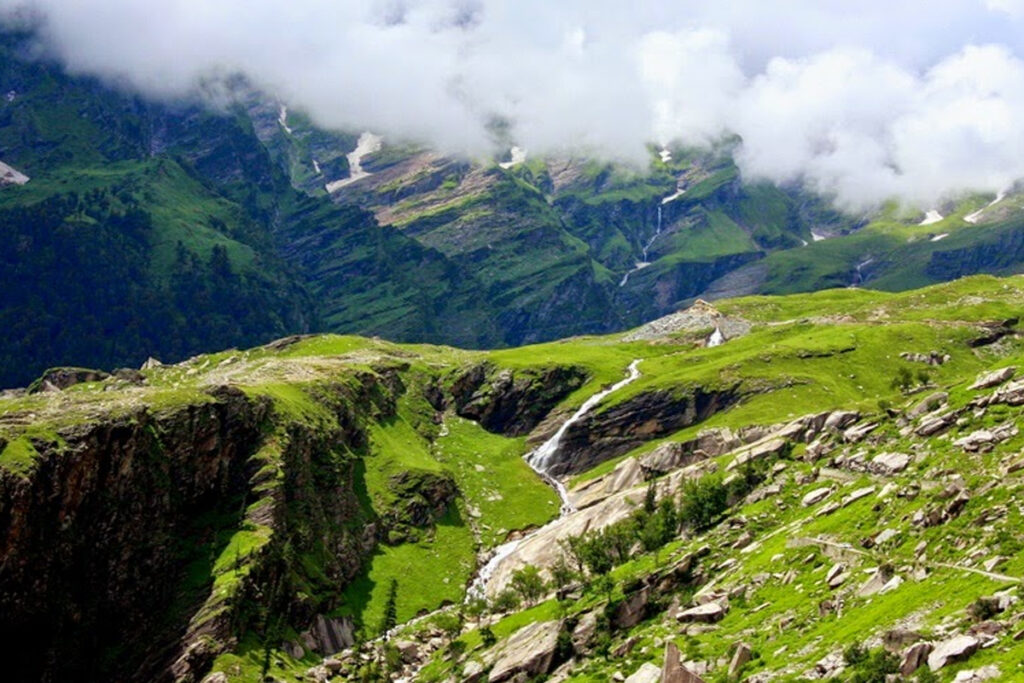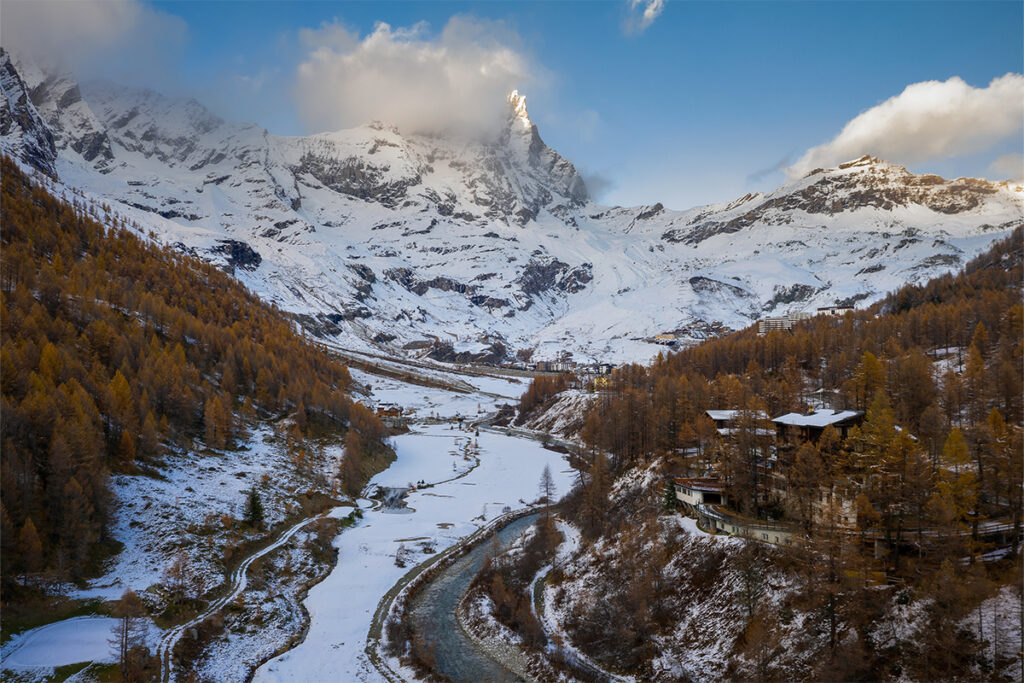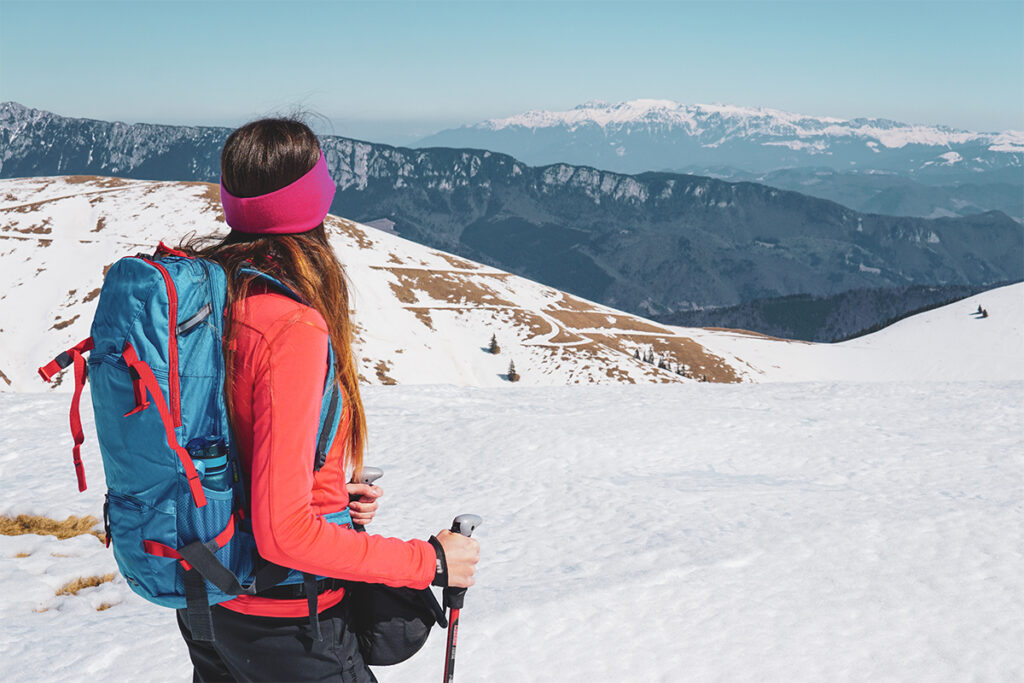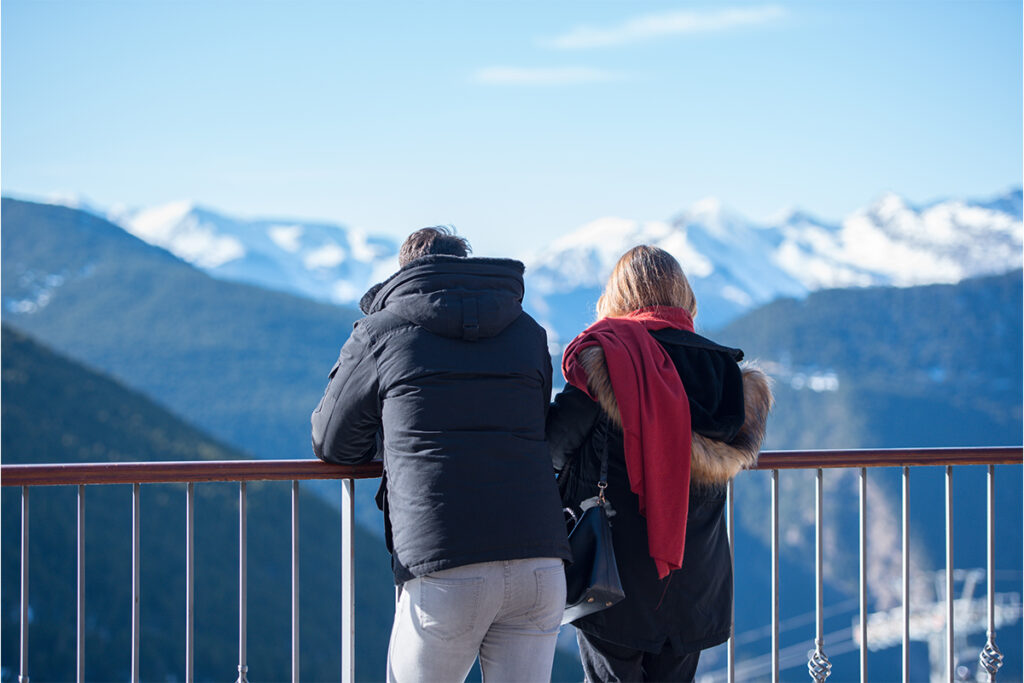
When most people think of summer travel, snow doesn’t typically come to mind. Yet, if you’re planning a Manali summer snow destination expedition, Travel Hope is here for a delightful surprise with the Budget tour packages! While the plains of India will go crazy in the summer heat, the higher altitudes around Manali offer a refreshing escape with genuine snow-covered peaks and landscapes. Whether you’re a snow lover or an adventure seeker, knowing where to see snow in Manali is essential for planning the perfect mountain getaway.
Manali snow in May is one of the universal secrets that is never revealed. During late spring and early summer, when the rest of India experiences high temperatures, Manali’s higher elevations still retain patches of clean white snow. The months of May and June offer the perfect window to witness this magical phenomenon before the snow completely melts away by July. The holiday tour packages let you experience the snow hills of Manali.
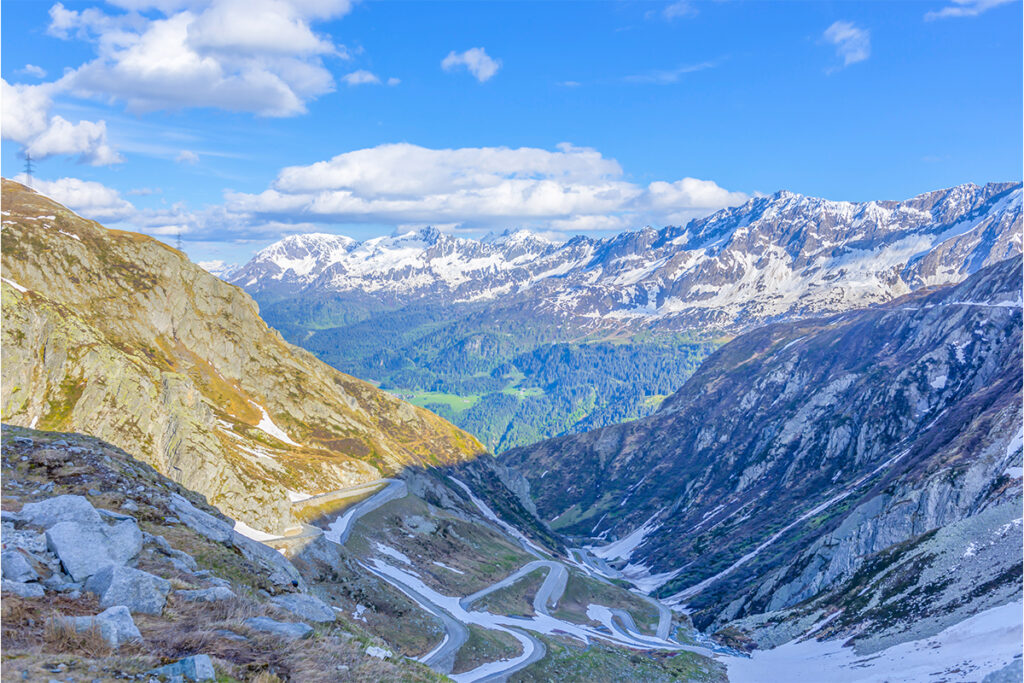
Rohtang Pass stands as the most accessible snow place in Manali for summer travelers. Located just 51 kilometers from Manali town, this iconic pass transforms into a winter wonderland during May and June. You’ll find patches of glistening snow, towering ice walls, and breathtaking panoramic views of the surrounding Himalayas. The journey here is an adventure in itself, with winding roads offering spectacular vistas at every turn.
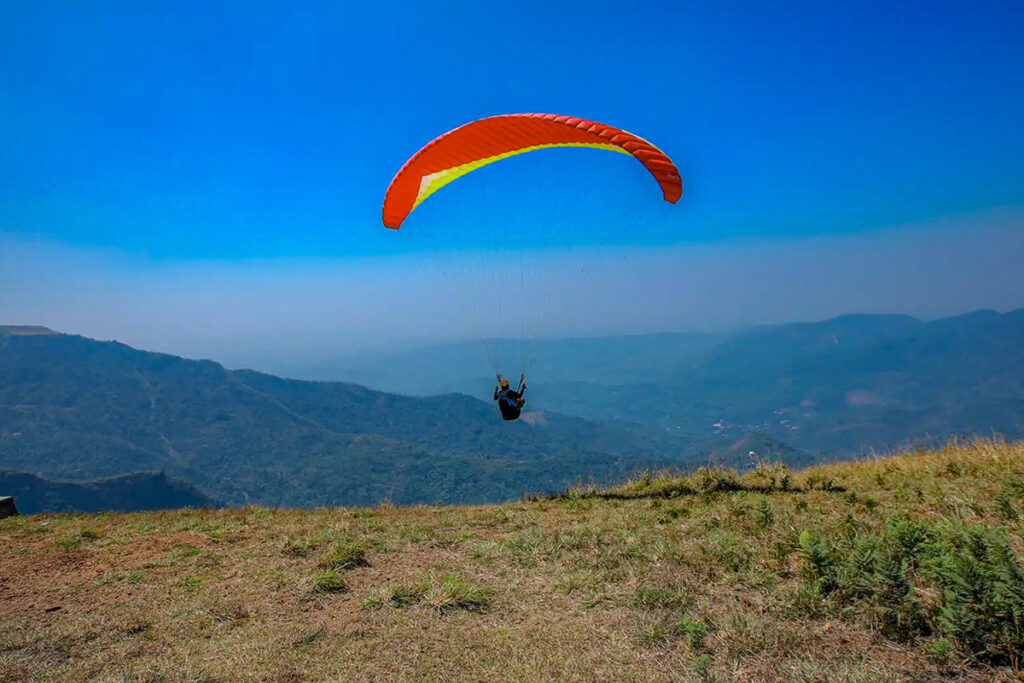
Just 14 kilometers from Manali, Solang Valley is a haven for adventure enthusiasts seeking snow places in Manali. During summer, you’ll find snow-dusted slopes perfect for activities like skiing, paragliding, and zorbing. The valley transforms into a sports and recreation hub, with multiple operators offering guided experiences.
Marhi serves as an excellent intermediate stop on your quest for where to see snow in Manali. Located between Manali and Rohtang Pass, this picturesque location offers a gentler introduction to higher altitudes and cooler climates. The surrounding hills display patches of snow, and the village itself provides authentic mountain hospitality with local restaurants serving warming traditional dishes.
Often overlooked by mainstream tourists, Prini is a serene snow place in Manali that offers an off-the-beaten-path experience. Located at a higher elevation than Manali town, Prini experiences snow well into spring, particularly in May. The quieter atmosphere, combined with stunning views of snow-covered peaks, makes it an ideal destination for those seeking tranquility alongside scenic beauty.
May and early June offer the optimal window for experiencing Manali snow in May and beyond. By July, most accessible snow areas have melted, though higher peaks may retain patches.
Despite the summer season, bring warm clothing, including jackets, thermal wear, and sturdy trekking shoes. Weather at higher elevations can be unpredictable, with sudden temperature drops.
Start early in the day when roads are clearer and the weather is more predictable. Hire local guides familiar with mountain terrain for safer, more enriching experiences.
The question of where to find snow in Manali during summer has a wonderfully simple answer that is, head to the higher elevations. Manali tour packages from Kerala start from the iconic Rohtang Pass to the serene slopes of Solang Valley. Manali summer snow destinations offer something for every traveler. Whether you’re seeking adventure, photography opportunities, or a cool escape from the Indian heat, the snow places in Manali deliver experiences that defy seasonal expectations. Manali’s snow in May represents nature’s remarkable ability to offer contrasts within short distances. This unique characteristic makes Manali one of India’s most versatile destinations, promising summer snow adventures that linger in memory long after the snowflakes have melted. Start your dream journey with Travel Hope and start to explore the world.
Yes! Higher elevations around snow places in Manali. Rohtang Pass and the surrounding peaks are excellent locations for experiencing snow during the summer months.
May is ideal for balancing snow visibility with accessible roads and mild weather. By late June, most snow has melted, though higher peaks may retain patches.